
Decide whether it is active
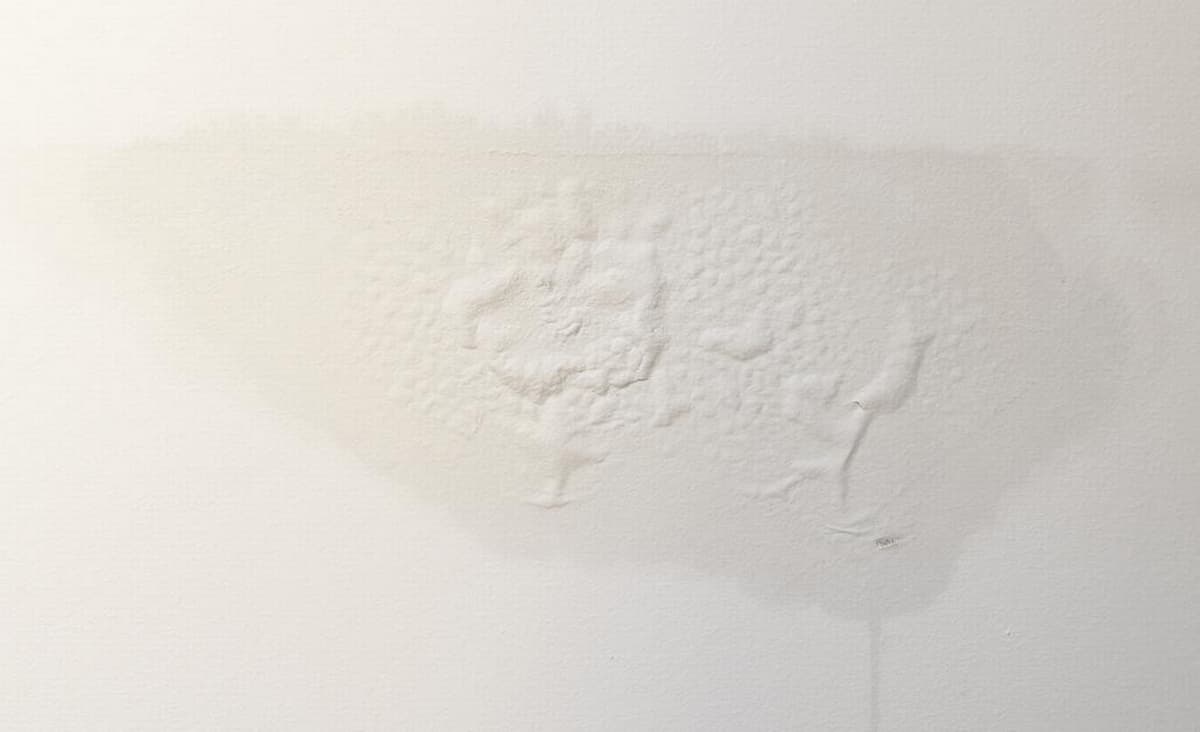
A dry old stain is different from an active leak. Growth, dripping, soft drywall, odor, or recent storms can all raise urgency.
Spreading
Dripping
Sagging
Odor
Quick answer
If you see a water stain on the ceiling, photograph it, check whether it is growing, look for nearby plumbing, roof, HVAC, bathroom, or attic sources, avoid cutting into the ceiling unless you know it is safe, and call a professional if the stain is active, sagging, spreading, or near electrical fixtures.
Intent
consideration
Records
saved
Next step
clear
The best home system is one you can keep using after the first week.
Take clear photos with the date
Mark the edge lightly or photograph with reference points to see if it spreads
Check rooms, bathrooms, attic, roofline, HVAC, and plumbing above or nearby
Look for sagging, dripping, soft drywall, odor, or electrical risk
Move belongings away from the area
Call a qualified professional if it appears active or unsafe
Save all quotes, photos, invoices, and warranty notes
A dry old stain is different from an active leak. Growth, dripping, soft drywall, odor, or recent storms can all raise urgency.
Photos are useful for contractors, insurance conversations, landlord records, and your own memory of what changed.
Water issues often involve diagnosis, repair, drying, paint, and follow-up. Save each step so the history is not lost.
Zcript lets homeowners scan an issue, save photos, create repair records, compare quotes, and keep the full water-stain history in one place.
Water damage can involve electrical, structural, mold, roof, plumbing, or HVAC concerns. Contact qualified professionals when safety or active leakage is uncertain.
Not always, but it should be investigated. Even an old stain can hide past moisture problems or recurring conditions.
Only after the source is understood and the area is dry. Painting first can hide a recurring problem.
It depends on the cause, policy, and damage. Save photos and repair records before making calls so your information is organized.